

























How to transform a countryside dwelling or auxiliary structure into a residential property
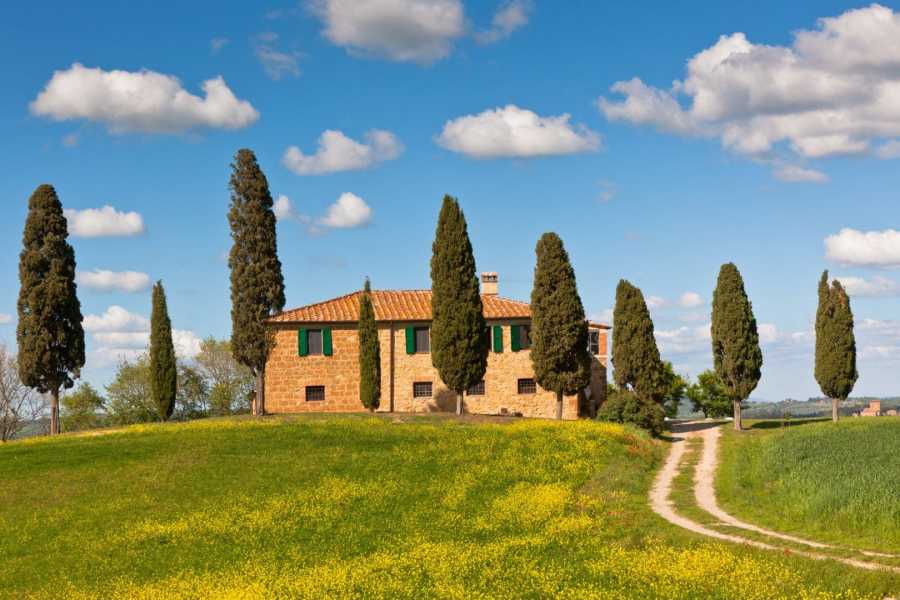
Converting a Rural Structure into a Residential Property
The transformation of an old countryside building into a habitable dwelling poses significant challenges in terms of urban planning. To avoid penalties and fines from local authorities, it is crucial to have a clear understanding of the necessary permits for this process.
Alteration of a property's purpose typically leads to an increase in urban requirements within the area. This transition mandates acquiring a building permit or submitting a notice of activity commencement, based on local regulations. Additionally, urban development charges must be settled, and adjustments to the land registry will be essential for reassessing the property's value.
To change a property from agricultural to residential status, a professional must conduct an assessment to ensure conformity with municipal development rules and verify if residential use is permitted in the region. Since this procedure is not covered by national simplifications, obtaining the proper building permit is a legal necessity.
Understanding Property Purpose Alteration
The conversion of an old barn or farm building into a modern residence is a desired transformation that involves intricate bureaucratic and technical procedures. Legally, shifting a property from agricultural to residential denotes converting non-residential spaces into a living area. This transition entails verifying the feasibility of urban planning, submitting documentation to local authorities, and settling planning fees.
The feasibility of conversion is dictated by the municipality's General Urban Plan or Territorial Management Plan. If the building is situated in a strictly agricultural zone or an area with specific restrictions, the conversion may be limited or prohibited to preserve the land.
Distinguishing Rural and Residential Structures
It is vital to differentiate between rural and residential buildings:
- A rural building is tied to agricultural activities and the needs of farmers or agricultural entrepreneurs.
- Residential property is solely designated for private individuals' permanent living and is unrelated to agricultural practices.
Five Key Stages in Transformation
- Verification of Legal Status: A certified professional ensures compliance with approved projects and identifies any unauthorized structures.
- Technical Feasibility Assessment: The suitability of converting rural buildings is evaluated based on current urban planning regulations.
- Submission of Construction Documents: Relevant paperwork is submitted depending on the project scope.
- Execution of Works and Approval: Structural enhancements and utility installations are carried out.
- Update of Land Registry and Certification: Post-renovation registration and declaration of property suitability for habitation.
Significance of Purpose Alteration in Urban Planning
Italian legislation categorizes real estate into functional groups, and transitioning between these categories is considered a significant urban planning change. This shift impacts infrastructure demands and necessitates permits and fees, especially when converting rural properties to residential ones.
Even without construction, altering functional purposes mandates permits and often incurs fees. The conversion from agricultural to residential usage involves substantial costs and intricate bureaucracy due to its legal implications.
Cost Implications of Rural Property Conversion
The final expenses for property conversion encompass construction costs, professional services, and urban development fees payable to the municipality.
Breakdown of Urban Development Fees
- Primary Infrastructure Fee (U1): Covers basic municipal infrastructure costs.
- Secondary Infrastructure Fee (U2): Allocated for social infrastructure development.
- Construction Fee: Calculated based on usable property area and standard regional rates.
For rural outbuildings, initial fees may be minimal or exempt. However, when changing purposes, owners often face fees comparable to new residential constructions.
Legalizing and Registering a Rural Building
Many rural structures lack proper registration in cadastres. Registration involves transferring from Land Cadastre to Building Cadastre, a legal requirement for valuation and tax assessment.
The process includes cartographic surveys and characteristic declarations to assign cadastral values. Properties can be categorized under standard classes or as non-income generating ruins, which have reconstruction rights.
Exceptions and Urban Planning Amnesty
Smaller properties and certain structures are exempt from mandatory registration. Urban planning amnesty procedures are necessary for unpermitted reconstructions, requiring compliance verification and fines for legalization.
Instances Where Fees Are Waived
Construction fees are waived or reduced when infrastructure load remains unchanged due to alterations within the same category or in existing developments. Regional laws often exempt fees for converting auxiliary spaces, encouraging efficient space utilization.
Benefits of Losing Rural Status
When a building loses rural status, government incentives become available to facilitate restoration and prevent abandonment. Tax benefits like renovation deductions and energy efficiency subsidies apply, alongside regional support programs promoting abandoned building restoration.
News