























Italy's high-end real estate surpasses worldwide patterns: How Milan and Rome are dealing with financial unpredictability
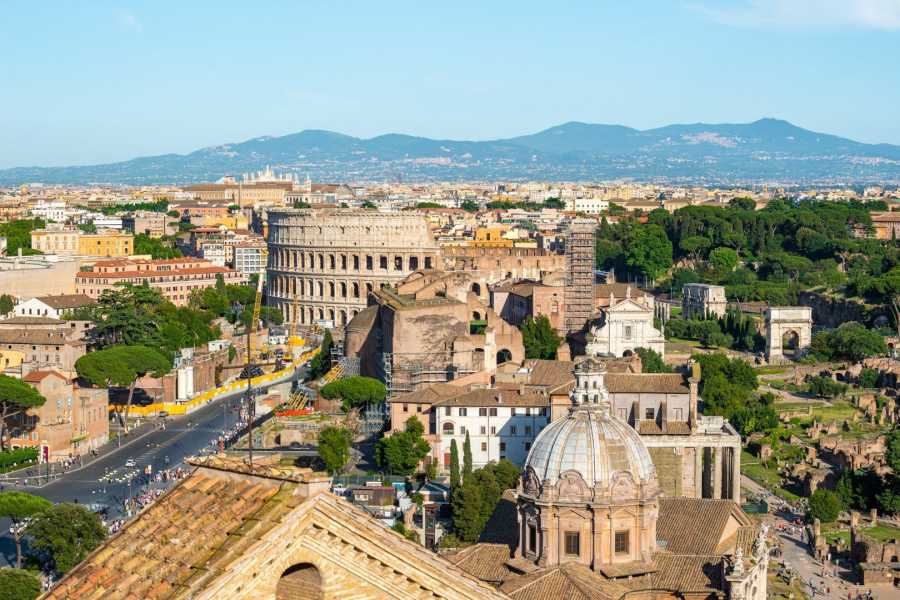
Italy's High-End Property Sector Outperforms Global Patterns: Managing Economic Uncertainty in Milan and Rome
During the initial six months of 2026, the luxury real estate markets in Milan and Rome exhibited strong resilience, surpassing the global average for housing price growth. As per the Savills World Cities Prime Residential Index, the global prime housing market saw an average growth of 0.6%, whereas key Italian cities delivered notably superior performance.
Assessment of Milan and Rome Metrics
In Milan, luxury housing costs rose by 1.5%, reaching an average of 16,500 euros per square meter. This positions Italy's financial hub ahead of Lisbon (€14,600/sq.m), Madrid (€11,700/sq.m), and Barcelona (€9,600/sq.m), though still trailing behind Paris (€19,000/sq.m), London (€18,200/sq.m), and Geneva (€26,300/sq.m). Rental prices in Milan increased by 2.0% to €9.83 per square meter per week.
Rome displayed more moderate price dynamics with a 0.2% rise, establishing an average price of €15,100 per square meter. In absolute terms, the Italian capital outpaced major European hubs like Berlin (€11,200/sq. m) and Amsterdam (€10,900/sq. m). Rents in Rome climbed by 1.8% to €9.59 per square meter per week.
A notable surge in activity was observed in the real estate sector for properties over €3 million. In the first quarter, such transactions increased by 15% in Milan and a remarkable 80% in Rome.
Comparison with European Markets
Italian metropolises secure a stable position within the mid-tier of leaders in Southern Europe. With Milan experiencing a 1.5% price increase and Rome a 0.2% rise, they outpace declining markets like Berlin (-4.4%) or London (-1.9%), yet lag behind regional favorites Lisbon (+3.3%) and Madrid (+2.4%).
Regarding the premium price per square meter, Geneva retains the title of the most costly European market (€26,300), followed by Paris (€19,000) and London (€18,200). Milan (€16,500) and Rome (€15,100) firmly maintain their positions at the apex of the European ranking, leaving Madrid, Berlin, and Barcelona in their wake.
Primary Stimulus and Second-Half Forecast
Experts highlight that a significant challenge in Italy's high-end housing sector is the acute shortage of supply. Demand from local and foreign investors remains robust, yet the market grapples with a scarcity of distinctive, top-quality properties. In this scenario, the location's prestige and the architectural project's distinctiveness play pivotal roles in evaluations.
For the latter half of 2026, a moderate positive price trend is anticipated for Milan and Rome, ranging from 0% to 1.9%. Similar projections are made for Paris and Amsterdam, underscoring the steadiness of the Italian market amidst global economic uncertainties.