























The high-end property market in Italy
Upscale Properties in Italy
The high-end real estate sector in Italy is experiencing growth in major cities and the luxury second home market. Studies by Patrigest and Santandrea highlight the rise in affluent individuals, favorable tax conditions for significant investments, and foreign investors' keen interest driving the demand for premium residences. Milan retains its position as a key market hub, while exclusive resort areas remain top choices for investors.
Wealth Expansion Boosts the Market
Italy's upscale real estate market shows resilience and steady progress. The increase in wealthy residents is a key growth factor. Despite recent economic challenges, the number of taxpayers earning over 120,000 euros annually has surged by 39% since 2008.
As wealth grows, real estate is not just a living space but a means to preserve and enhance assets. By 2024, property ownership among affluent families reached 95.3%, up from 92.9% two decades ago. Concurrently, interest in renting is waning.
Luxury Property Distribution
The highest property prices, exceeding 6,000 euros per square meter, are concentrated in major cities and prestigious tourist regions, including lakeside areas, the Alps, and coastal zones. These locations dominate the upscale real estate market.
Aside from Milan and Rome, smaller exclusive towns like Basiglio and Forte dei Marmi stand out for their high concentration of affluent residents. Milan leads as the most prestigious market, with Rome following and closely rivaled by Florence and Venice.
Florence leads among major cities in luxury real estate share, with nearly 30% of properties falling into the premium category, trailed by Milan, Naples, and Bologna.
Surge in Demand for Secondary Residences
The market for high-end second homes is rapidly expanding. Transactions involving properties priced over €1 million have risen by 22% in the past year, nearly doubling the segment's volume in a decade.
Currently, second homes constitute around 76% of transactions in the million-euro real estate category. These properties are increasingly seen as investment assets for diversifying capital, not just for leisure purposes.
Even during market instabilities, this segment displays strong resilience, quickly recovering from downturns.
Evolving Demand Landscape
The study indicates a scarcity in the mid-premium segment, with prices ranging from €6,000 to €10,000 per square meter. The shortage is particularly notable in smaller apartments, where two-bedroom properties, accounting for 43% of demand, make up only 33% of supply.
This shift in buyer preferences, including affluent clients, opens avenues for new renovation ventures and compact housing construction.
Luxury Leasing and Tourism Sector
The upscale rental sector remains buoyant, with rates surpassing 20 euros per square meter monthly, primarily in major economic hubs. Milan and Rome lead this trend, driven by strong demand from professionals, executives, and global enterprises.
Tourist regions, especially seaside and mountain resorts, witness sustained interest in luxury rentals, with second homes playing a pivotal role in the market.
Urban Features
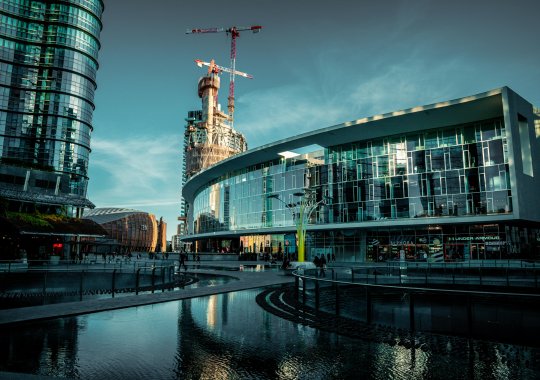
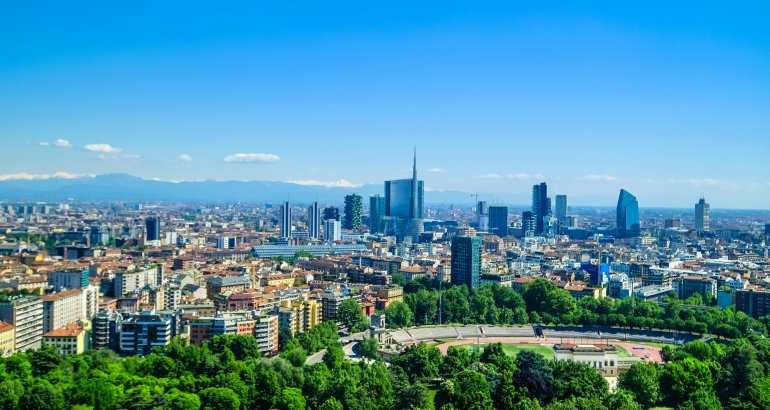
Milan stands as the primary reference point in Italy's luxury market. Housing prices exceed 12,600 euros per square meter in the historic center and surpass 14,500 euros in prestigious areas like Brera and Porta Nuova. Local and foreign investors fuel high demand, with properties typically selling within 4-6 months.
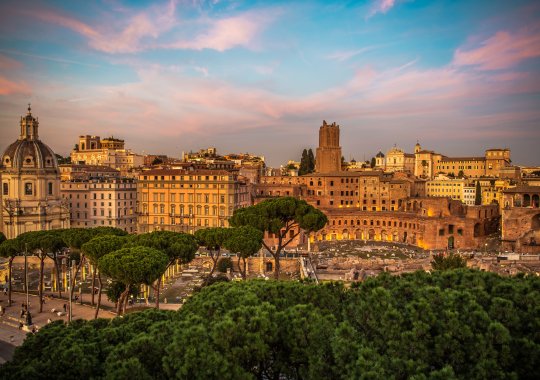
Rome boasts a unique historical backdrop and upscale properties in the city center, priced around 10,300 euros per square meter. The buyer pool includes local affluent families and foreign investors, with property sales averaging 5-6 months.
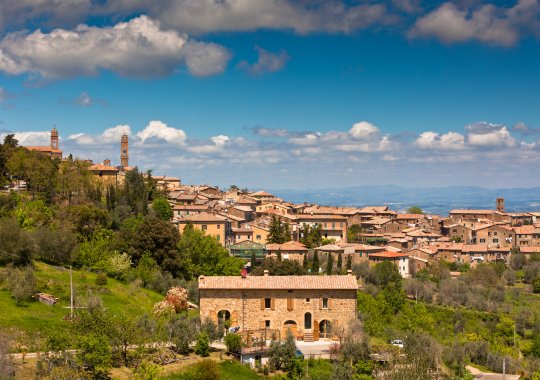
Florence attracts significant interest from international buyers due to its abundance of luxury housing. Historic villas and restored residences with panoramic views are highly sought after, leading to extended exposure periods exceeding a year.
Bologna, Turin, and Genoa follow distinct trajectories: Bologna is known for market stability, Turin for affordable prices and quality architecture, and Genoa for its prime location and sea panoramas.
Continued Investment Growth
The year 2025 marked success for Italy's real estate investment sector, with total investment hitting €12.3 billion, a 20% increase year-on-year.
Residential investments reached around €841 million, while the luxury housing market exceeded €300 million. Investors show keen interest in construction and renovation projects.
Milan remains the top investment magnet, capturing almost 79% of luxury residential investments, followed by Rome, Florence, and renowned destinations like Portofino.
News