

























Mold contamination in your flat - when are you excused from paying the rent?
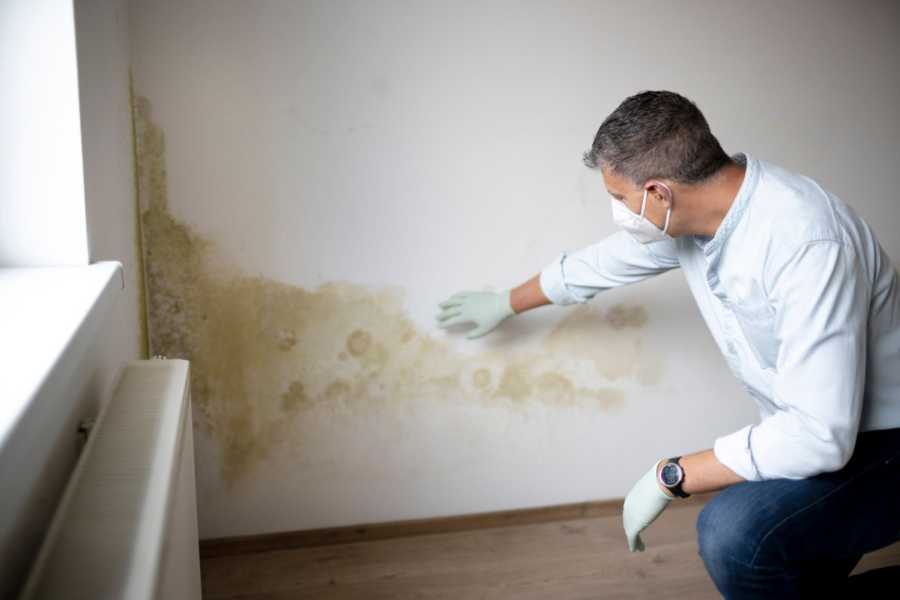
Mold in the flat: when rent payment is impossible

If the flat is affected by mold, the occupant might have the right to vacate the premises without fulfilling the rent obligation under certain circumstances. However, prior notification to the landlord is crucial.
In accordance with Sections 1578 and 1581 of the Italian Civil Code, the tenant is entitled to terminate the tenancy without prior notice or penalties if the flat becomes uninhabitable due to mold and poses a health risk.
When is it permissible to withhold rent?
Mold can justify rent withholding only if it renders the property completely uninhabitable, compelling the tenant to leave.
If the mold affects just a portion of the flat (e.g., one room), the occupant can request a rent reduction, proportionate to the loss of usability of that part of the property.
The Significance of Mold as an Issue
As per Trieste Court Decision No. 162/2019, even a minor presence of mold diminishes the quality of life in the flat, exacerbates its hygiene conditions, and tarnishes its aesthetics. This is deemed a notable flaw, justifying the right to lower the rent.
If the mold significantly impacts living conditions and breaches the contract terms, the occupant might pursue contract termination or a rent reduction, providing that they were unaware, or could not have been aware of such defects at the initiation of the contract.
Moreover, the landlord could be held liable for damages resulting from property defects unless they can demonstrate that they were unaware of these issues upon property handover.
A medical certificate verifying health harm from mold can serve as supplementary proof, even if not formally required in the document checklist.
Necessity of Mutual Agreement
Simply the presence of mold doesn't empower a tenant to unilaterally withhold rent. A rent reduction or suspension must be mutually agreed upon with the landlord or mandated by a court.
Judicial rulings may not always recognize the tenant's entitlement to independently withhold payment. Notably, the Italian Supreme Court (Resolution No. 18987 dated September 27, 2016) decreed that the tenant must fulfill the rent obligation if the premises remain partly usable.
Duties of the Landlord
It's the landlord's duty to provide habitable housing, compliant with regulations and fit for residence. Hence, the landlord is responsible for mold remediation and associated issues.
Conversely, the tenant is obligated to perform regular property maintenance and adhere to contract terms.
Tenant's Liability
If the mold results from the tenant's negligence, like inadequate ventilation or disregarding usage guidelines, the tenant bears responsibility for the aftermath. In such cases, non-payment of rent is deemed a violation, potentially labeling the tenant as a defaulter.
If the mold's cause is not attributed to the tenant - for instance, leaks from above or inadequate waterproofing - the property owner is accountable for resolving the issue.
Actions Regarding Mold Presence in a Rented Flat
The tenant's strategy hinges on the severity of the situation. Here are potential steps to take:
Response to Mold Appearance
The fundamental rule: the tenant should not act independently. Ceasing rent payments unilaterally without the landlord's consent or court directive is impermissible.
An exception exists for severe instances of total inhabitable conditions. In other scenarios, the tenant risks being in the wrong, even if mold issues persist.